Toyota Latest Cars 2026: New Models, Features, and What to Expect
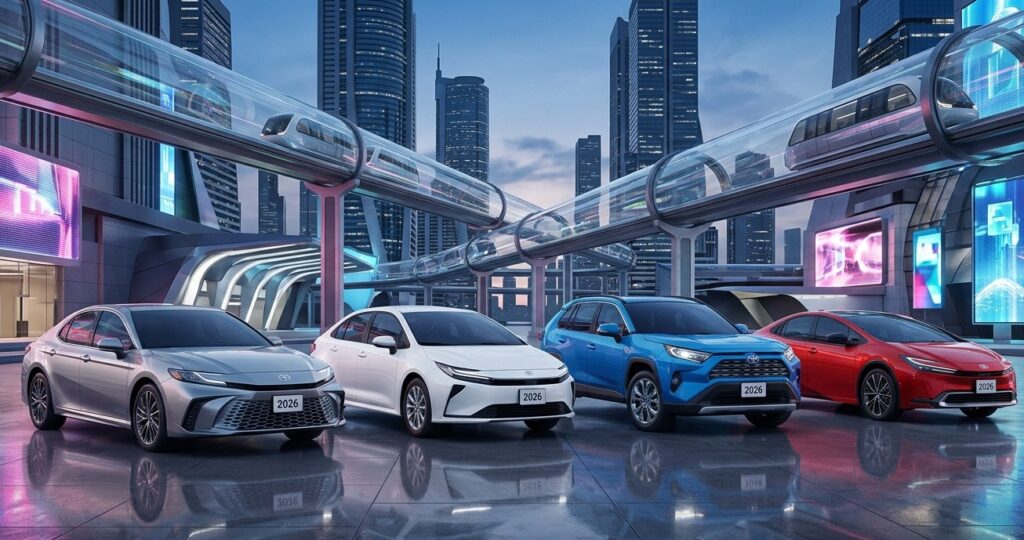
The 2026 Toyota lineup includes familiar names such as Camry, Corolla, RAV4, 4Runner, Tacoma, Tundra, Sienna, Prius, and Corolla Cross. Toyota is also expanding its electric direction with models such as bZ, bZ Woodland, and the new C-HR EV. This makes the lineup more interesting for buyers who want hybrid efficiency, all-electric driving, or a traditional gas-powered vehicle.
This guide explains Toyota Latest Cars 2026 in a simple and buyer-friendly way. It covers major model categories, practical use cases, technology trends, hybrid and EV choices, family needs, and smart shopping tips for US car buyers.
Quick Answer: What Are Toyota Latest Cars 2026?
Toyota Latest Cars 2026 include a broad mix of sedans, SUVs, hybrids, plug-in hybrids, electric vehicles, trucks, and family models. Key names include the 2026 Toyota RAV4, RAV4 Plug-in Hybrid, Camry, Corolla, Corolla Hatchback, Corolla Cross, Corolla Cross Hybrid, Prius, Prius Plug-in Hybrid, Sienna, 4Runner, Tacoma, Tundra, bZ, bZ Woodland, and C-HR EV. These models show Toyota’s focus on practical transportation, electrified options, SUV demand, and technology upgrades.
For US buyers, the most important decision is not simply which Toyota is newest. It is which Toyota fits the driver’s real lifestyle. A commuter may prefer a Camry, Corolla, or Prius. A family may compare RAV4, Highlander, Grand Highlander, or Sienna. An outdoor-focused buyer may look at 4Runner, Tacoma, or bZ Woodland. An EV shopper may compare bZ, C-HR, and bZ Woodland. The best choice depends on budget, space, charging access, fuel savings, driving habits, and long-term ownership goals.
Why Toyota Latest Cars 2026 Matter
Toyota Latest Cars 2026 matter because the US car market is changing. Buyers want better fuel economy, safer technology, stronger reliability, more practical interiors, and lower long-term ownership stress. At the same time, more shoppers are comparing hybrid, plug-in hybrid, and electric options.
Toyota has built a strong reputation around dependability and practical value. In 2026, the brand is using that reputation to compete in several important categories, including compact SUVs, family SUVs, midsize sedans, hybrid cars, trucks, minivans, and electric crossovers.
Another reason the 2026 lineup matters is buyer choice. Some drivers are ready for an EV. Others want a hybrid because it does not require home charging. Some need a rugged truck or SUV. Others only want a simple daily commuter. Toyota’s lineup gives shoppers many different paths.
| Toyota Category | Example 2026 Models | Best For | Buyer Priority |
|---|---|---|---|
| Compact and midsize cars | Corolla, Camry, Prius | Commuters and students | Fuel savings and value |
| Compact SUVs | RAV4, Corolla Cross | Small families and daily drivers | Space and efficiency |
| Electric vehicles | bZ, C-HR, bZ Woodland | EV shoppers | Charging access and range needs |
| Family vehicles | Sienna, Highlander, Grand Highlander | Larger households | Seating and comfort |
| Trucks and rugged SUVs | Tacoma, Tundra, 4Runner | Outdoor and utility buyers | Capability and durability |
1. Toyota 2026 Lineup Overview
The Toyota 2026 lineup covers many types of drivers. For budget-focused shoppers, Corolla and Corolla Hatchback remain practical choices. For drivers who want a balanced sedan with hybrid efficiency, Camry is an important option. Prius and Prius Plug-in Hybrid appeal to buyers who want strong efficiency with a more distinctive design.
In the SUV market, RAV4 remains one of Toyota’s most important models. Corolla Cross gives shoppers a smaller crossover option, while Highlander and Grand Highlander serve families that need more space. Sienna remains a strong choice for buyers who want minivan practicality.
For buyers who want capability, Tacoma, Tundra, and 4Runner provide truck and off-road-focused choices. These models are important for drivers who need towing, hauling, outdoor travel, or rugged styling.
The electric side is also growing. Toyota’s bZ, bZ Woodland, and C-HR EV give buyers different electric crossover choices. This is important as more drivers consider EVs but still want a familiar brand.
2. 2026 Toyota RAV4 and RAV4 Plug-in Hybrid
The 2026 Toyota RAV4 is one of the most important models in the Toyota Latest Cars 2026 conversation. Compact SUVs are popular in the United States because they offer a balance of size, fuel economy, cargo space, comfort, and daily usability.
For 2026, the RAV4 direction is especially important because Toyota is leaning into electrified powertrains. That makes it attractive for drivers who want SUV practicality with better efficiency. The RAV4 Plug-in Hybrid also gives buyers a more performance-focused and electric-assisted option while keeping the flexibility of a gas engine for longer trips.
A RAV4 buyer should think about daily driving first. If most trips are short and charging is available, a plug-in hybrid may make sense. If charging is not convenient, a regular hybrid setup may be easier to live with. Buyers should also compare cargo space, trim features, all-wheel drive needs, and insurance cost estimates.
Who should consider the 2026 RAV4?
- Small families who need a practical compact SUV
- Commuters who want better fuel efficiency
- Drivers who want more cargo space than a sedan
- Buyers comparing hybrid and plug-in hybrid options
- People who want Toyota reliability in an SUV format
3. 2026 Toyota Camry, Corolla, and Prius
Toyota sedans and hybrid cars remain important in 2026 because not every buyer wants an SUV. Many drivers still prefer a car that is easy to park, efficient, comfortable, and practical for commuting.
The 2026 Toyota Camry is a strong option for drivers who want a midsize sedan with comfort and efficiency. It can work well for commuters, small families, rideshare drivers, and people who want a practical daily vehicle.
The 2026 Toyota Corolla and Corolla Hatchback are better suited for shoppers who want affordability, compact size, and easy driving. Corolla also remains a common choice for first-time car buyers, students, and budget-focused households.
The Prius and Prius Plug-in Hybrid appeal to buyers who care most about efficiency and technology. Prius is also useful for drivers who spend a lot of time in city traffic or want a hybrid without moving to a larger SUV.
| Model | Best For | Main Strength | Buyer Consideration |
|---|---|---|---|
| Camry | Midsize sedan shoppers | Comfort and efficiency | Compare trims and features |
| Corolla | Budget and commuter buyers | Simple daily value | Interior space may be smaller |
| Corolla Hatchback | Drivers wanting compact style | Easy parking and flexible cargo | Rear space may be limited |
| Prius | Efficiency-focused buyers | Strong fuel-saving appeal | Distinctive design may not fit everyone |
| Prius Plug-in Hybrid | Drivers with charging access | Electric-assisted daily driving | Charging habits matter |
4. Toyota Electric Cars 2026: bZ, C-HR, and bZ Woodland
Toyota’s electric lineup is becoming more important in 2026. The bZ, C-HR, and bZ Woodland give buyers different ways to consider an all-electric Toyota. This matters because US shoppers are comparing EVs more carefully than before.
The Toyota bZ works as a more general electric crossover choice. The C-HR EV is aimed at buyers who want a sportier, compact electric crossover. The bZ Woodland is designed with a more adventure-focused character for drivers who want added versatility.
EV buyers should think about charging first. A vehicle may look attractive, but home charging, workplace charging, local charging stations, driving distance, and winter performance expectations all matter. Buyers should also compare insurance, incentives, maintenance needs, and long-term battery warranty details.
The best EV choice depends on lifestyle. A city driver may prefer a compact EV. A weekend traveler may want more range and cargo flexibility. A family may still decide that a hybrid SUV fits better than a full EV.
5. Toyota SUVs and Family Vehicles
Toyota SUVs and family vehicles remain a major part of the 2026 lineup. Many US families prefer SUVs because they offer higher seating, flexible cargo space, available all-wheel drive, and easier daily utility.
Corolla Cross and Corolla Cross Hybrid are useful for buyers who want a smaller crossover. RAV4 fits many small-family and commuter needs. Highlander and Grand Highlander are better for buyers who need more room. Sienna remains one of the most practical choices for larger families because minivans usually offer easier passenger access and strong cargo flexibility.
Family buyers should not choose only by exterior size. They should check second-row comfort, third-row space, cargo room behind the last row, child seat access, visibility, fuel economy, and safety technology. A test drive with real family needs in mind can reveal more than a spec sheet.
6. Toyota Trucks and Off-Road Models
Toyota trucks and rugged SUVs are important for buyers who need utility, towing, hauling, or outdoor capability. The Tacoma, Tundra, and 4Runner are the main names in this area.
Tacoma is often attractive for midsize truck buyers who want a balance of size and capability. Tundra serves buyers who need a larger truck. 4Runner appeals to drivers who like rugged SUV character and outdoor-focused styling.
However, buyers should be realistic. A truck or off-road SUV may cost more to fuel, insure, and maintain than a small sedan or crossover. It may also be larger than needed for daily city driving. The right choice depends on actual use, not only appearance.
| Model Type | Best For | Practical Question |
|---|---|---|
| Tacoma | Midsize truck shoppers | Do you need a truck bed regularly? |
| Tundra | Full-size truck needs | Do towing and hauling justify the size? |
| 4Runner | Rugged SUV buyers | Will you use the capability often? |
| RAV4 | Daily SUV buyers | Is a compact SUV more practical? |
| Sienna | Family transportation | Do you need easier passenger access? |
7. Technology, Safety, and Smart Features
Toyota Latest Cars 2026 also matter because modern buyers expect more technology. Shoppers often compare infotainment screens, smartphone connectivity, driver assistance features, digital displays, camera systems, charging ports, and connected services.
Safety technology is especially important for families and commuters. Driver assistance features can support awareness, but they do not replace careful driving. Buyers should understand how each feature works before relying on it.
Technology also affects ownership experience. A good infotainment system can make daily driving easier. A confusing system can become frustrating. During a test drive, buyers should try phone pairing, navigation, climate controls, parking cameras, and basic dashboard settings.
For tech-focused buyers, Toyota’s 2026 lineup shows how automotive technology is becoming part of digital life. Cars now connect with smartphones, apps, cloud services, navigation tools, and driver-assistance systems. This creates convenience, but privacy settings and data use also deserve attention.
How to Choose the Right 2026 Toyota
Choosing the right Toyota starts with real driving needs. A buyer should think about daily commute distance, family size, parking space, road conditions, fuel budget, charging access, cargo needs, and long-term ownership plans.
A hybrid may be ideal for drivers who want efficiency without charging. A plug-in hybrid may work for drivers who can charge regularly and still want gas-engine backup. An EV may fit buyers with reliable charging and predictable driving habits. A truck or rugged SUV may fit buyers who truly need capability.
Budget should include more than the monthly payment. Buyers should consider insurance, fuel or charging, maintenance, taxes, fees, tires, and expected resale value. A lower payment is not always the lowest total cost.
Simple Toyota buying steps
- Choose the vehicle type that fits your real life.
- Compare hybrid, plug-in hybrid, EV, and gas options.
- Check cargo space, seating, and comfort in person.
- Estimate insurance and fuel or charging costs.
- Review warranty and maintenance expectations.
- Test drive before making a final decision.
Common Toyota Buying Mistakes to Avoid
One common mistake is choosing a model only because it is popular. A RAV4 may be excellent for many buyers, but a Camry, Corolla, Sienna, or Corolla Cross may fit some drivers better.
Another mistake is ignoring total ownership cost. A larger SUV or truck may offer more capability, but it can also bring higher fuel, tire, insurance, and parking costs. Buyers should choose based on actual use.
EV buyers should avoid overlooking charging. A good EV experience depends heavily on charging access. If home charging is not possible, a hybrid or plug-in hybrid may be easier to live with.
Finally, buyers should avoid rushing through the test drive. Comfort, visibility, seat position, infotainment controls, road noise, and cargo access all matter in daily life.
Practical Expert Insight
The best way to understand Toyota Latest Cars 2026 is to view the lineup as a set of choices for different lifestyles. Toyota is not offering one answer for every buyer. It is offering sedans, hybrids, EVs, SUVs, trucks, and family vehicles because buyers have different needs.
For many US drivers, hybrids may remain the most practical middle ground. They can improve fuel economy without requiring charging. For drivers with home charging and predictable routes, Toyota’s EV options may be worth considering. For families, space and comfort should matter more than trends.
The smartest buyer will not choose based only on headlines. They will compare real costs, test drive carefully, and choose a vehicle that fits daily life for several years.
FAQ
What are Toyota Latest Cars 2026?
Toyota Latest Cars 2026 include sedans, hybrids, SUVs, electric vehicles, trucks, and family vehicles. Important models include Camry, Corolla, Prius, RAV4, Corolla Cross, Sienna, 4Runner, Tacoma, Tundra, bZ, C-HR, and bZ Woodland. The lineup focuses on practical driving, electrified choices, family use, and everyday reliability. The best model depends on budget, space needs, fuel preferences, and driving habits.
Is the 2026 Toyota RAV4 a good choice for families?
The 2026 Toyota RAV4 can be a strong choice for small families because it offers SUV practicality, useful cargo space, and an efficient direction. It may fit buyers who want more room than a sedan without moving to a larger three-row SUV. However, larger families should also compare Highlander, Grand Highlander, or Sienna. The best choice depends on seating needs, cargo space, and daily use.
Should buyers choose a Toyota hybrid or EV in 2026?
The choice depends on charging access and driving habits. A Toyota hybrid may be easier for drivers who want better efficiency without charging. A plug-in hybrid may fit drivers who can charge at home but still want gas backup. A Toyota EV may work well for buyers with reliable charging and predictable daily routes. Buyers should compare range, charging, incentives, insurance, and total cost.
Which Toyota models are best for commuting?
Commuters may want to compare Corolla, Camry, Prius, Corolla Cross Hybrid, and RAV4 Hybrid. These models can offer practical daily driving, efficiency, and comfort. A sedan may be easier to park, while a compact SUV may offer better cargo flexibility. The right choice depends on commute length, road conditions, parking space, and passenger needs.
What should buyers check before buying a 2026 Toyota?
Buyers should check total cost, insurance, fuel or charging needs, warranty details, trim features, cargo space, seating comfort, and safety technology. They should also test drive the vehicle and use the infotainment system before buying. For EVs and plug-in hybrids, charging access is especially important. A practical purchase should fit daily life, not only look good on paper.
Final Practical Checklist
- Choose the Toyota model type that fits your daily driving.
- Compare sedan, SUV, truck, hybrid, plug-in hybrid, and EV options.
- Check charging access before choosing an electric Toyota.
- Estimate insurance, fuel, charging, and maintenance costs.
- Review cargo space and seating comfort in person.
- Test phone connectivity, cameras, and infotainment controls.
- Do not buy more vehicle than you actually need.
- Compare trims carefully before paying for extra features.
- Take a full test drive on roads similar to your daily route.
- Think about long-term ownership, not only monthly payment.
Conclusion
Toyota Latest Cars 2026 give US buyers many choices across sedans, hybrids, SUVs, EVs, trucks, and family vehicles. The lineup reflects a market where drivers want efficiency, practicality, technology, and long-term value.
The best Toyota for one buyer may not be the best Toyota for another. A commuter may prefer Camry, Corolla, or Prius. A small family may prefer RAV4 or Corolla Cross. A larger family may compare Sienna or Grand Highlander. An EV shopper may look at bZ, C-HR, or bZ Woodland. A rugged buyer may consider Tacoma, Tundra, or 4Runner.
The practical next step is to match the vehicle to real life. Compare total cost, space, comfort, powertrain, charging needs, and technology before choosing. A careful decision will lead to a Toyota that feels useful not only on day one, but throughout years of ownership.