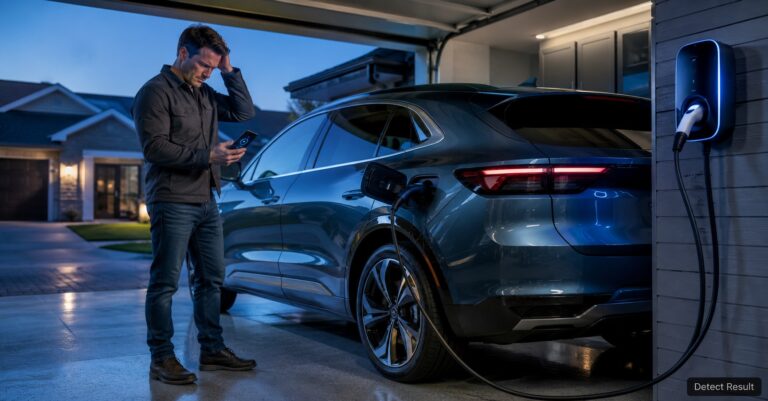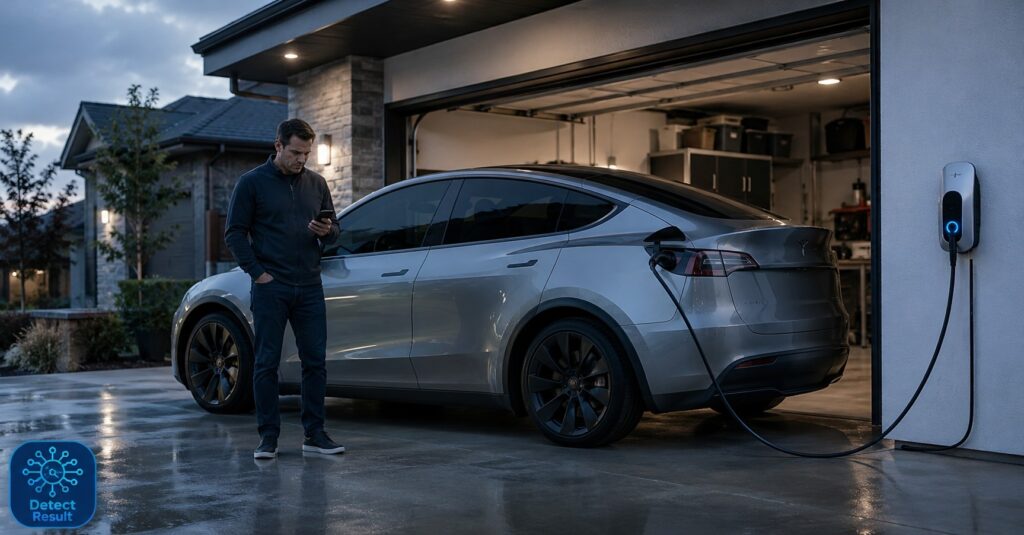
Why Is My Tesla Charging Slowly? Common Causes and Practical Fixes
Quick Answer
Your Tesla may be charging slowly because the battery is cold, the charger is sharing power, the charge limit is set too low, the amps were manually reduced, the cable or plug is not fully seated, or the charging station is not providing full output. At a Supercharger, slower charging can also happen when the battery is nearly full, the battery is not preconditioned, or the station is busy.
Start by checking the Tesla app and the in-car charging screen. Look at the amps, voltage, charge limit, error messages, and estimated time remaining. These numbers can quickly tell you whether the issue is coming from the car, the charger, or the power source.
Common Reasons Your Tesla Is Charging Slowly
1. Battery Temperature Is Too Low
Cold weather is one of the biggest reasons for a Tesla charging speed issue. When the battery is cold, your Tesla protects the battery by limiting charging power. This is common during winter mornings, after parking outside overnight, or when you drive only a short distance before plugging in.
If you are using a Supercharger, navigate to the charger from the Tesla screen before you arrive. This helps the car precondition the battery. At home, slower charging in cold weather may be normal, but a heated garage or scheduled departure can help improve consistency.
2. The Battery Is Already at a High State of Charge
Tesla charging speed is usually fastest when the battery is lower. As the battery gets closer to the charge limit, the car gradually slows down to protect the battery. For example, charging from 20 percent to 60 percent is usually much faster than charging from 80 percent to 100 percent.
If your Tesla is not charging fast near the top of the battery, that may be normal behavior. For daily driving, many owners use a moderate charge limit instead of charging to 100 percent every night.
3. Charging Amps Were Reduced
A Tesla app showing slow charging may simply be displaying a lower amp setting. On the charging screen, check whether the amperage was manually reduced. This can happen after using a weak outlet, a shared circuit, or a temporary charging setup.
If the car allows it, increase the amps back to the safe limit for that charger. However, do not force a higher setting if the breaker trips, the plug feels hot, or the car shows a warning. Those signs can point to a home charger breaker issue, outlet problem, or wiring concern.
4. Charger, Cable, or Adapter Problem
A loose plug, worn outlet, damaged adapter, or cable issue can cause a Tesla charging rate reduced message. The car may lower the charging rate to stay safe. This can happen with a Mobile Connector, older outlet, extension setup, or public Level 2 station.
Unplug the connector, inspect it for dirt or damage, then reconnect it firmly. Also check the Tesla charging port for debris, moisture, or a poor connection. If the charger repeatedly stops and starts, stop using that setup until it is inspected.
Why Your Tesla Charges Slowly at Home
If you are wondering why your Tesla is charging so slowly at home, first identify the charger type. A standard household outlet is naturally slow. A Mobile Connector on 120V may add only a small amount of range per hour. On the other hand, a properly installed Level 2 charger or Tesla Wall Connector should be much faster.
With a Tesla Wall Connector charging slowly, check the car screen for voltage and amps. Low voltage or low amps may point to a circuit limit, shared power setting, installation issue, or breaker problem. If the Wall Connector is using power sharing, your Tesla may charge slower when another EV is connected.
Home EV charging issues can also come from smart charging schedules. Check the Tesla app for scheduled charging, off-peak settings, departure time, and charge limit. A simple schedule mismatch can make it look like your Tesla battery is charging slowly overnight.
For a broader home charger troubleshooting guide, you can also review home EV charger not working. If you are comparing general EV charging problems beyond Tesla, this guide on EV charging taking too long is also useful.
Why Tesla Supercharger Charging Can Be Slow
A Tesla Supercharger slower than usual does not always mean something is broken. Supercharging speed depends on battery temperature, state of charge, station power, stall availability, and how the vehicle manages battery protection. If you arrive with a cold battery, the car may charge slowly until the battery warms up.
Another common reason is a busy station. Some locations can share power or reduce speed when many vehicles are charging. Also, if your Tesla is already above 70 or 80 percent, the charging curve naturally slows down.
For road trips, enter the Supercharger as your navigation destination. This allows battery preconditioning before arrival. Also, choose a less crowded stall when possible and avoid charging to 100 percent unless you truly need it for the next leg of the trip.
Tesla Slow Charging Troubleshooting Table
| Symptom | Likely Cause | What to Check | Practical Fix |
|---|---|---|---|
| Tesla charging amps too low | Manual amp limit or charger limit | Charging screen and Tesla app | Raise amps only if the circuit supports it safely |
| Charging rate reduced message | Power source, cable, outlet, or heat issue | Plug, adapter, outlet, and warning messages | Reconnect firmly and stop using damaged equipment |
| Supercharger slower than usual | Cold battery, high charge level, or busy station | Battery percentage and navigation preconditioning | Navigate to the Supercharger and charge from a lower battery level |
| Home charger charging slow overnight | Schedule, charge limit, or Level 1 charging | Charging schedule and charger type | Adjust scheduled charging or upgrade to Level 2 if needed |
| Charging stops and starts | Loose connector, charger fault, or wiring issue | Cable fit, port condition, breaker, and charger lights | Try another charger and contact an electrician or Tesla Service if repeated |
Quick Fix Checklist
Use this simple checklist before assuming your Tesla has a major charging problem:
- Check the charge limit in the Tesla app.
- Look for manually reduced amps on the charging screen.
- Unplug and reconnect the charger firmly.
- Inspect the cable, adapter, and charge port for damage or debris.
- Try a different charger to compare results.
- Precondition the battery before Supercharging.
- Avoid fast charging when the battery is already near full.
- Check for scheduled charging or off-peak settings.
- Restart the touchscreen if the display seems incorrect.
- Contact Tesla Service if slow charging happens everywhere.
For example, if your Tesla Model Y charges slowly only at home but works normally at a Supercharger, the problem is likely your home charger, circuit, outlet, or settings. However, if your Tesla Model 3 charging slowly happens at every Level 2 charger, the car may need inspection.
When to Contact Tesla Service
Some slow charging issues need professional diagnosis. Contact Tesla Service if your Tesla not charging at full speed happens on multiple reliable chargers, the car repeatedly shows charging faults, or the charging rate drops suddenly without a clear reason.
You should also take the issue seriously if the plug or outlet feels hot, the breaker keeps tripping, the cable looks damaged, or charging stops and starts repeatedly. Do not ignore electrical warning signs. A qualified electrician should inspect home wiring, while Tesla Service can review vehicle logs and charging hardware.
Slow charging can sometimes connect to battery efficiency or range concerns. If your range estimate also changes suddenly, read electric car range dropping suddenly for related troubleshooting. If you are shopping for a future EV upgrade, this guide to the top ten electric cars 2026 in US may also help.
Problem Detect & Solution Result Video
The video below explains why Tesla Supercharging can feel slower than expected and what owners should understand about charging behavior. It is especially useful if your Tesla Supercharger charging slow problem happens during road trips, cold weather, or higher battery percentages.
FAQ
Why is my Tesla charging slowly at home?
Your Tesla may charge slowly at home because you are using a standard 120V outlet, the amps are limited, the charger is sharing power, or scheduled charging is delaying the session. A Tesla Mobile Connector charging slow is common on basic outlets. If a Level 2 charger is slow, check voltage, amperage, breaker behavior, and the car’s charge settings.
Why is my Tesla charging slowly at a Supercharger?
Supercharger speed can slow down when the battery is cold, the battery is already near full, the station is busy, or the car did not precondition before arrival. Navigate to the Supercharger from the Tesla screen before you get there. Also, for faster road trip stops, charge from a lower percentage and leave when you have enough range.
How do I fix a Tesla charging rate reduced warning?
First, unplug and reconnect the charger firmly. Then inspect the cable, adapter, outlet, and charging port. If the warning happens only with one charger, stop using that charger until it is checked. If the same warning appears at different chargers, schedule Tesla Service because the vehicle may need diagnosis.
Can cold weather make a Tesla charge slowly?
Yes. Cold weather can limit Tesla charging speed because the battery must be warm enough to accept higher power safely. This is common in US winter conditions, especially after the car sits outside overnight. Preconditioning, scheduled departure, and parking in a warmer location can help reduce cold weather EV charging slow behavior.
Why does Tesla charging slow down after 80 percent?
Charging slows after higher battery percentages because the car protects the battery as it approaches the charge limit. This is normal for Tesla battery charging slowly near the top. For daily use, it is usually better to charge to a practical limit instead of waiting for 100 percent unless a long trip requires it.
Final Recommendation
A Tesla charging slowly is usually caused by a simple limit, cold battery, charger output issue, cable problem, or normal charging curve behavior. Start with the easy checks: charge limit, amps, voltage, cable connection, battery temperature, and charger type.
Overall, the fastest way to isolate the issue is to compare different charging locations. If your Tesla charges normally somewhere else, the first charger or home electrical setup is likely the problem. On the other hand, if slow charging follows the car everywhere, contact Tesla Service for a proper diagnosis.
Do not ignore repeated charging interruptions, hot plugs, tripping breakers, or warning messages. Charging equipment deals with high electrical load, so safety should come before speed. When in doubt, use a trusted charger, avoid damaged equipment, and get professional help.